Introduction
In today's fast-paced world, emergencies can emerge anytime. Understanding how to do Cardiopulmonary Resuscitation (CPR) can indicate the distinction between life and fatality. With cardiovascular disease being just one of the leading reasons of fatality globally, understanding CPR fundamentals is more important than ever before. This short article will explore why every grownup must enlist in a CPR program, covering whatever from fundamental strategies to sophisticated first aid strategies.
CPR Fundamentals: Why Every Grownup Should Register in a CPR Course
Understanding CPR and Its Importance
Cardiopulmonary Resuscitation (CPR) is a crucial lifesaving technique utilized when someone's heartbeat or breathing has actually quit.
What Does CPR Stand For?
CPR stands for Cardiopulmonary Resuscitation. It combines breast first aid jandakot compressions and rescue breaths to preserve blood circulation and oxygenation throughout cardiac arrest.
Why Is CPR Essential?
- Saves Lives: Quick action can increase or three-way chances of survival. Reduces Brain Damage: The mind can just survive a couple of mins without oxygen. Empowers Bystanders: Anybody can be trained to execute CPR effectively.
The Function of First Aid Courses in Comprehensive Training
While CPR is vital, it's just one element of emergency reaction.
What Is Included in a First Aid Course?
Basic Life Assistance (BLS) Manual Handling Techniques Management of Common Injuries Mental Health First AidFirst Help Certificate: What You Need to Know
A first aid certificate demonstrates that a person has efficiently finished first aid course jandakot training in important first aid techniques, including CPR.
Key Elements of Effective CPR Training
Understanding DRSABCD: A Step-by-Step Approach
DRSABCD is a phrase that lays out the steps to take during an emergency:
D - Danger: Evaluate for risk to on your own and the victim. R - Reaction: Examine if the individual is receptive by shaking them gently. S - Send for Aid: Call emergency situation services or ask somebody else to do so. A - Air passage: Make sure the respiratory tract is clear. B - Breathing: Check for regular breathing-- if not, begin CPR. C - Compressions: Begin chest compressions at a rate of 100-120 per minute. D - Defibrillation: Use an Automated External Defibrillator (AED) if available.Basic Life Support Techniques
BLS includes both grown-up and pediatric resuscitation techniques.
Adult BLS Protocols
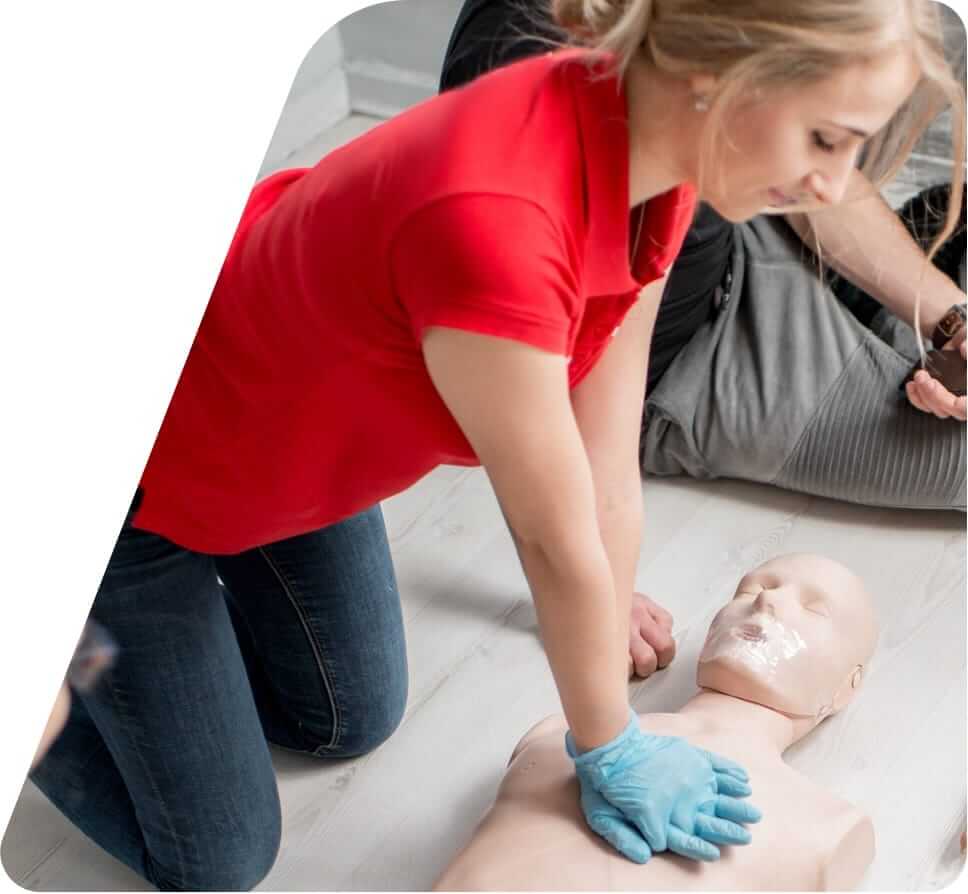
- Chest Compressions: At least 2 inches deep and at a rate of 100-120 compressions per minute. Rescue Breaths: A ratio of 30 compressions to 2 breaths.
Pediatric BLS Adjustments
For children under 8 years:
- Use one hand as opposed to 2 for compressions if necessary. Place less require on compressions (about 1 1/2 inches deep).
Mental Health and wellness First Aid: A Growing Necessity
In addition to physical wellness emergency situations, mental health dilemmas are significantly common.
What Is Mental Health and wellness First Aid?
Mental health and wellness first aid shows individuals just how to assist a person experiencing psychological distress or situations until specialist aid arrives.
Benefits of Mental Wellness First Aid Training
Reduces preconception connected with psychological illness. Provides sensible techniques for support. Promotes very early intervention that can conserve lives.Finding the Right CPR Program Near You
Where Can You Locate High Quality First Aid Courses?
Searching online utilizing terms like "first aid course near me" or "CPR training course near me" can lead you to regional training providers.
Accredited Organizations Offering Training
Reputable companies such as St John Rescue, Red Cross, and different area colleges use certified programs recognized across Australia.
Choosing Between Online and In-Person Training
Pros and Disadvantages of Online First Aid Courses
Pros:
- Flexibility in scheduling Often much more affordable
Cons:
- Limited hands-on practice Potential absence of engagement
Benefits of In-Person Training
In-person training allows participants to practice abilities under expert supervision, guaranteeing better retention and confidence in performing CPR correctly.
Training Qualifications: Understanding Period and Renewals
How Lengthy Does a First Aid Certification Last?
Typically, first aid certificates have a validity period ranging from 3 years, after which refresher courses are recommended.
Renewal Alternatives Available
Refresher programs give opportunities to remain updated on best practices while enhancing previously found out skills.
FAQs About CPR Training
What sorts of first aid courses are available?
There are many kinds consisting of BLS, advanced first aid programs, hands-on handling training, and psychological health first aid courses.
How commonly needs to I renew my CPR certification?
Most qualifications last about three years; nevertheless, it's a good idea to take refreshers every year.
Can I find out CPR online?
Yes! Many reputable organizations use online training courses; nevertheless, guarantee they include functional assessments for skill reinforcement.
What must I search for in a first aid course?
Look for certification, experienced trainers, detailed content covering both physical and psychological wellness aspects.
Are there specific courses for infants?
Yes! Infant first aid programs focus on age-specific strategies vital for managing emergencies involving infants and toddlers.
li31/ol4/hr8hr8/hr9hr9/##
Engaging with this material doesn't just enhance your personal ability-- it fosters area resilience where each trained private enters into a bigger network prepared to assist in times of need!